Capacity
The firm capacity the site needs and the load profile it has to serve.
Sales · Early deployment cohort
Laurelin is developing a container-class pulsed fusion architecture for firm, carbon-free power at the load. If you are planning new firm capacity, bring us the load, the site, and the target date. We will start with a deployment call.
Deployment conversations open
01 · The buyer’s constraint
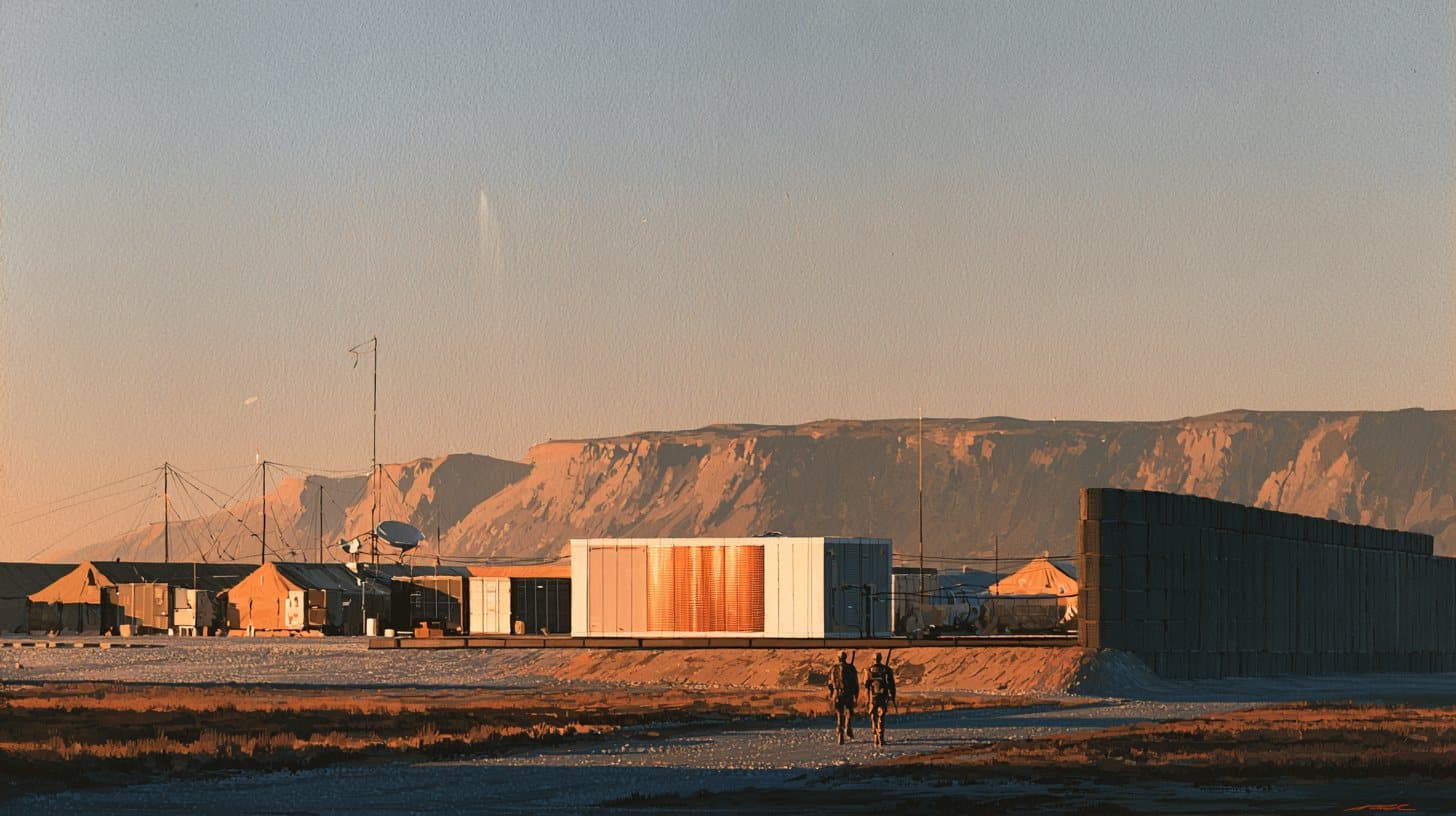
A data hall gets financed and built in two years. New firm capacity waits about 2,100 days for an interconnect. Laurelin's commercial target closes that gap: power that sites behind the meter and arrives on the host facility's schedule.
02 · The commercial target
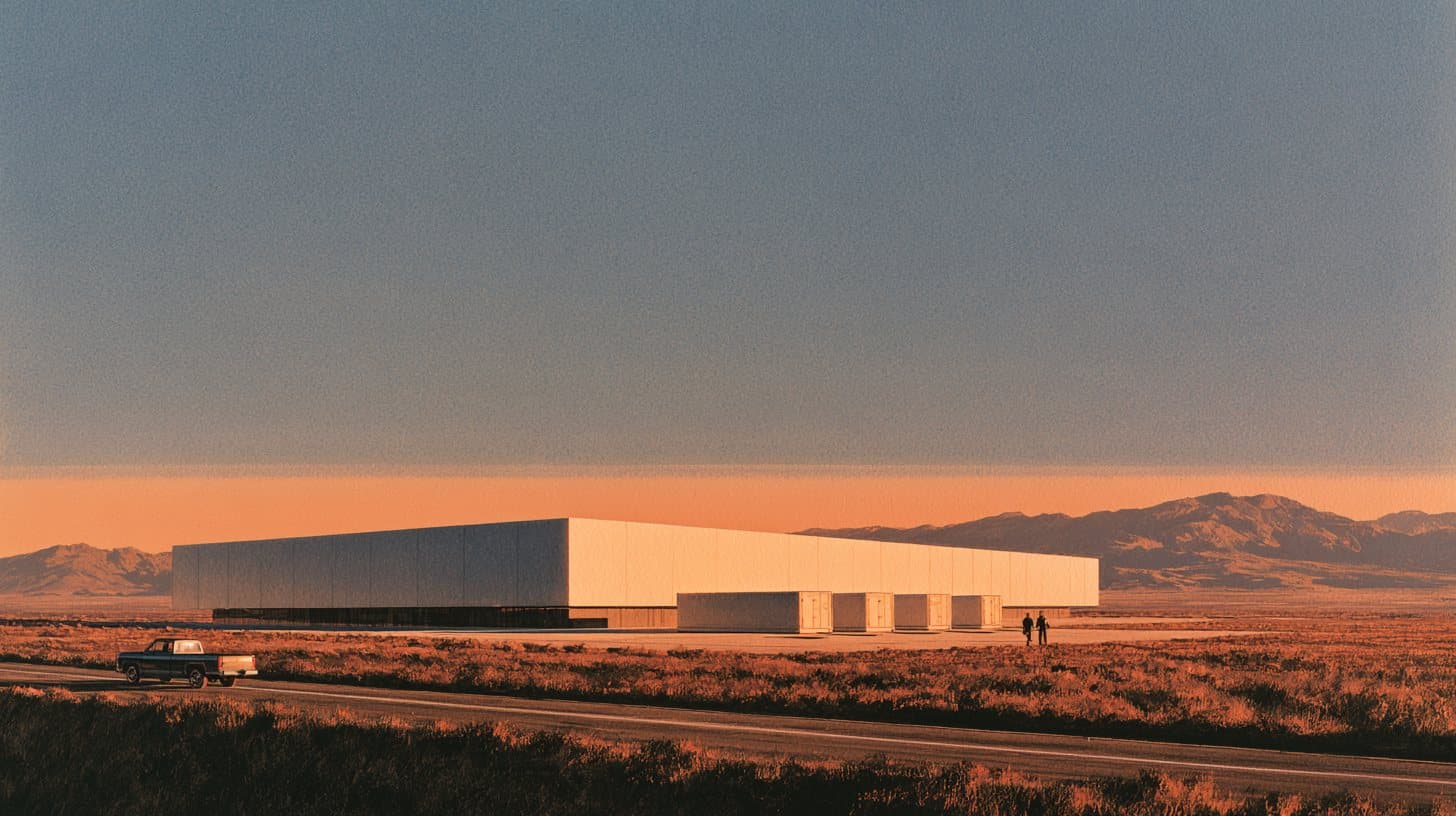
The target architecture places reactor-core hardware inside a forty-foot ISO envelope, with balance of plant arranged as adjacent modules. The commercial target is a roughly 10 MWe-class unit sold as an owned asset with a continuing service relationship.
Targets are forward-looking and stage-gated. Final capacity, schedule, siting, pricing, and terms depend on measured program milestones and the host site.
03 · The first conversation
Bring us the load, the desired online date, and what is known about the site. We will use the call to understand fit, identify the questions that matter, and agree on the useful next step.
The firm capacity the site needs and the load profile it has to serve.
The desired online date and the project schedule driving it.
The host location, electrical context, and operating constraints that matter.
04 · How to engage
Walk through the load, site, capacity, and desired date.
Translate the call into an initial deployment and siting view.
Open the technical material held outside the public site.
Review architecture, milestones, and acceptance gates.
Scope the pad, electrical tie-in, perimeter, and integration.
Agree the appropriate commercial and technical follow-up.
05 · The host site
A serious deployment conversation begins with the host conditions. The first working session scopes the information needed for an indicative siting brief; detailed technical material follows under mutual NDA.
06 · Book a call
This form goes to hello@laurelin-inc.com with a [Sales] subject line. We will reply with scheduling options.
We accept non-binding LOIs at this time. This form starts a conversation; LOIs, orders, capacity reservations, and offers are executed separately.